Why Parity Plus Is Needed, Now More Than Ever
Prevalence and growth
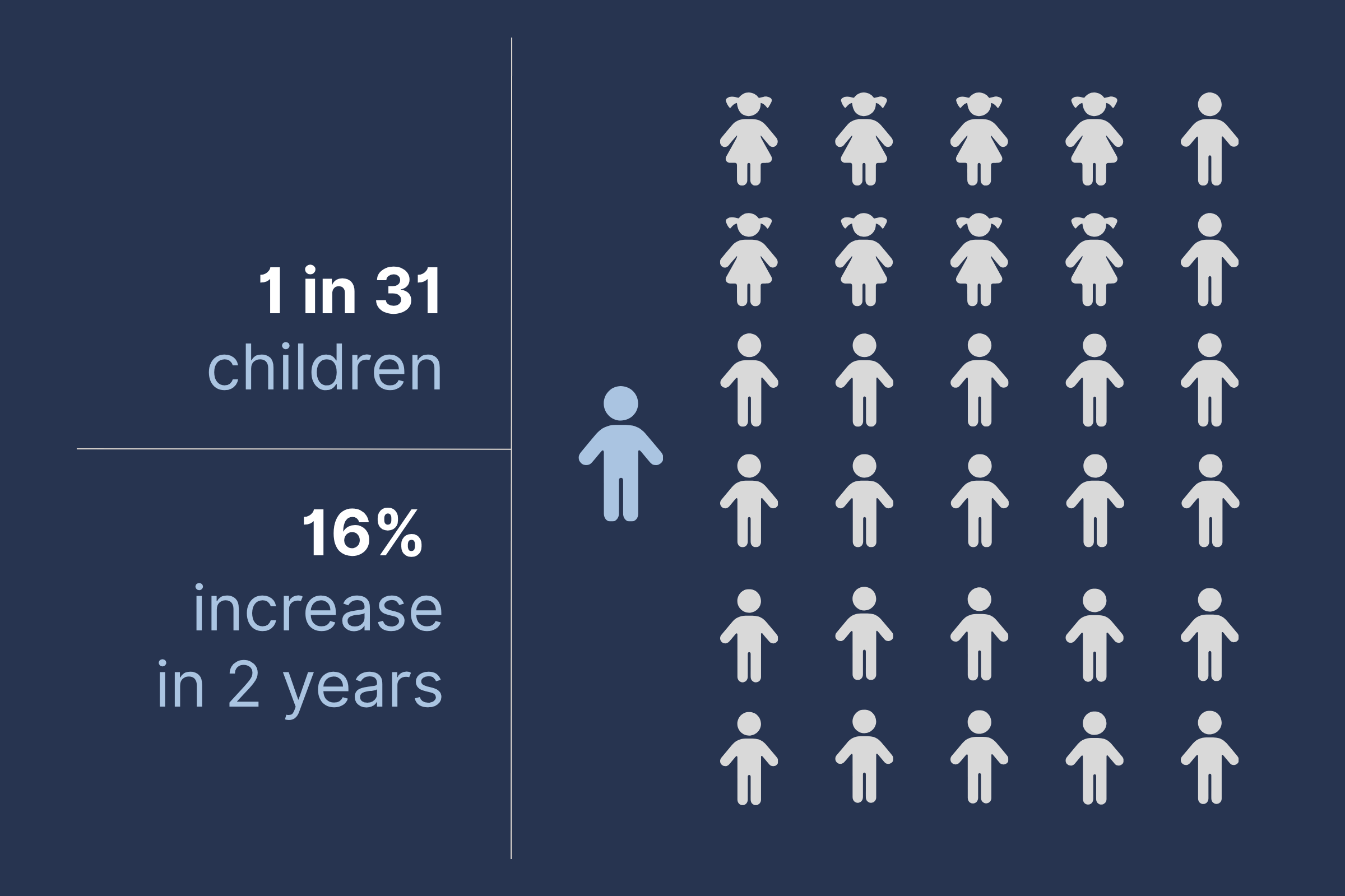
Autism is on the rise. According to the CDC, nearly 1 in every 31 children in the U.S. has been identified as having autism in their latest estimate, up from 1 in 36 just two years prior. That’s a 16% increase in just 24 months.
Autism is reported across all racial, ethnic and socioeconomic groups and is three times more common in boys. Prevalence varies widely by community — from 1 in 103 children in Laredo, Texas to 1 in 19 in California — suggesting major differences in identification, access and service systems.
Financial impacts and care costs
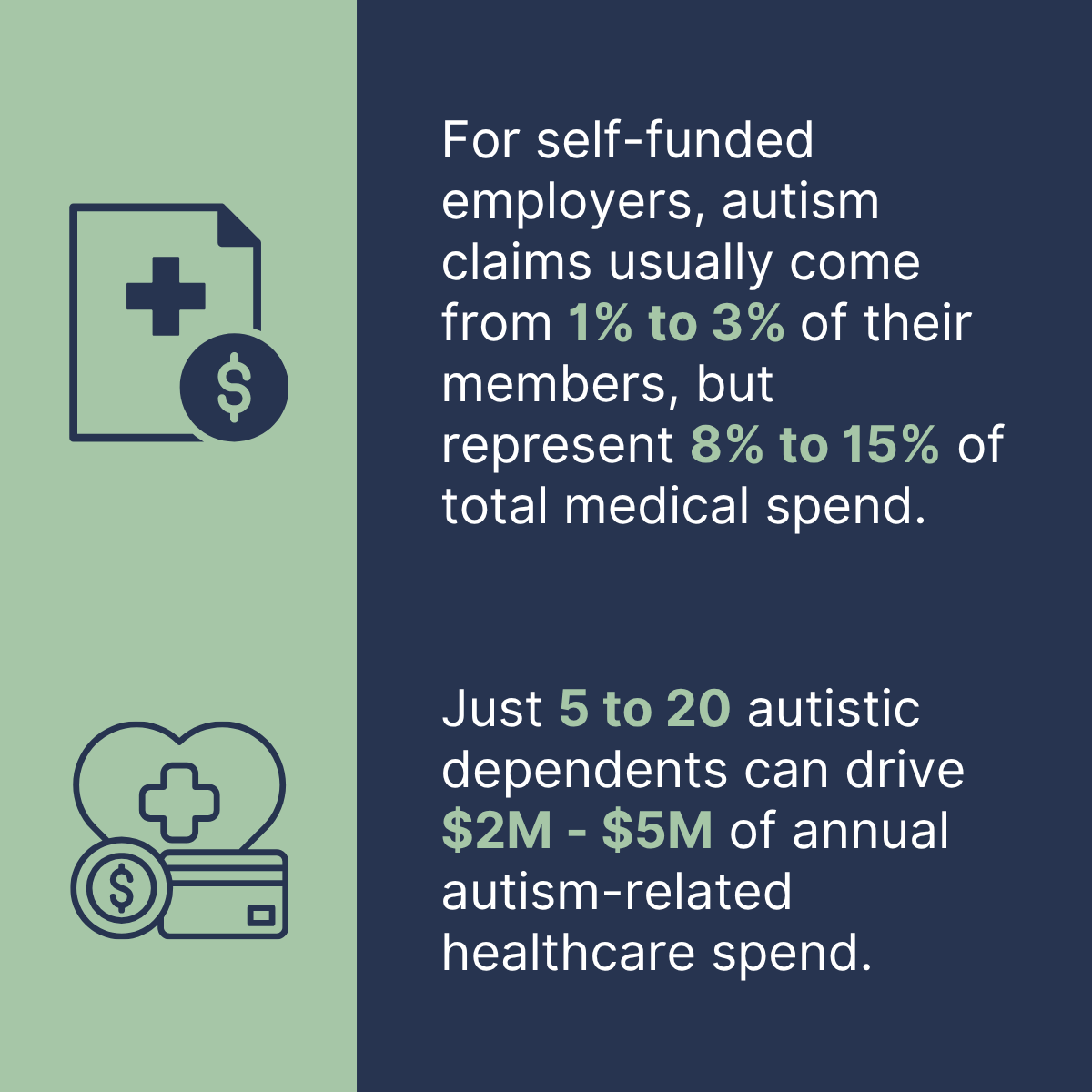
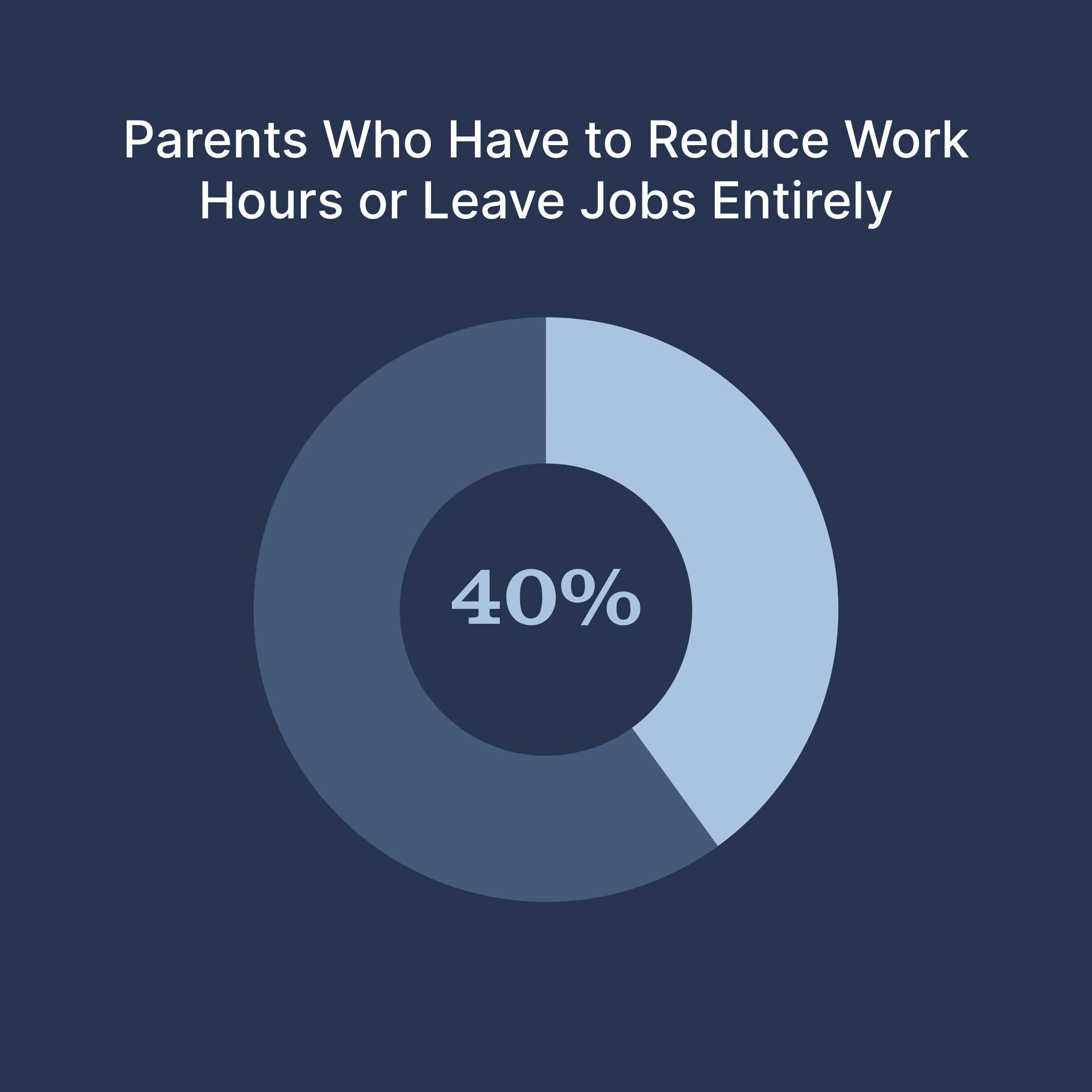
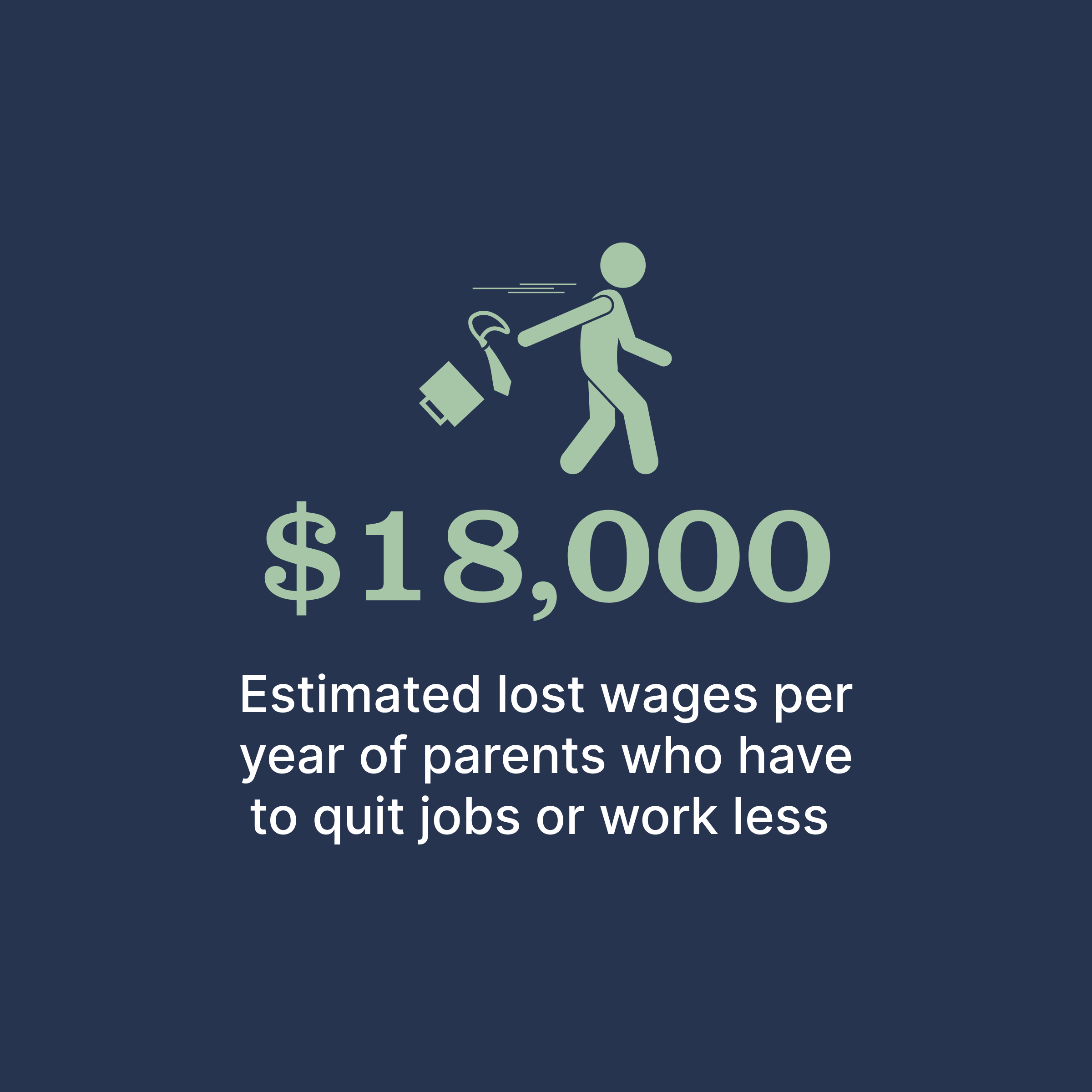
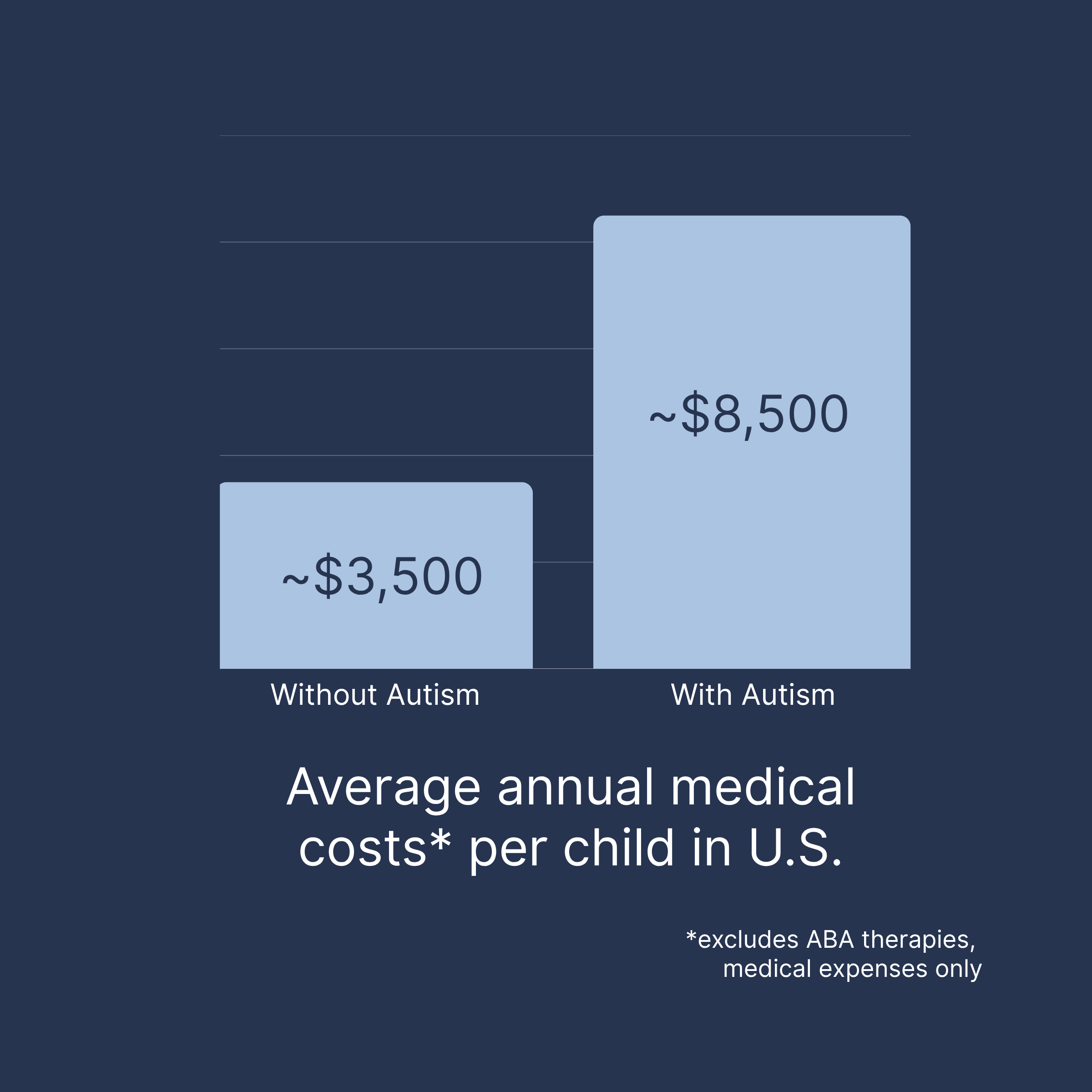
Not only is prevalence increasing, so is the cost of caring for an autistic child. The estimated lifetime cost of $1.4 million to $2.4 million, depending in part on whether they have other medical or physical challenges. Intensive behavioral interventions for children with autism can cost between $40,000 to $60,000 annually. And, as parents deal with those rising costs, many have to cut back on work or leave their job altogether to care for their child and navigate the complex medical system.
Autism Prevalence Among Children in the U.S.
Financial Costs of Caring for Autistic Children
Resources
The Parity Plus Executive Brief Series
Executive Brief for Employers | Supporting Employees Starts Here
Supporting employees who have children with autism requires more than a benefits plan—it requires understanding. This Executive Brief outlines five priorities for employers seeking to better support families, strengthen benefits decisions and prepare for one of healthcare's fastest-growing areas.
Executive Brief for Brokers | 5 Trends Brokers Should Watch in Autism Claims
Employers are asking new questions about autism benefits, specialty claims and employee support. This Executive Brief explores five trends shaping the conversation and offers practical insights brokers can use to better advise clients in a rapidly evolving healthcare landscape.
Executive Brief for TPAs | 5 Questions TPAs Should Ask About Autism Claims
Autism claims are becoming more prevalent, more complex and more clinically nuanced. This Executive Brief explores five questions every third-party administrator should consider to strengthen claims oversight, support clients and navigate one of healthcare's fastest-growing areas.
Executive Brief for Stop-Loss Carriers | 5 Questions Stop-Loss Carriers Should Ask About Autism Claims
As autism prevalence and treatment continue to evolve, stop-loss carriers are facing increasingly complex claims with long-term financial implications. This Executive Brief highlights five questions that can help strengthen underwriting discussions, improve visibility and support more informed risk management.